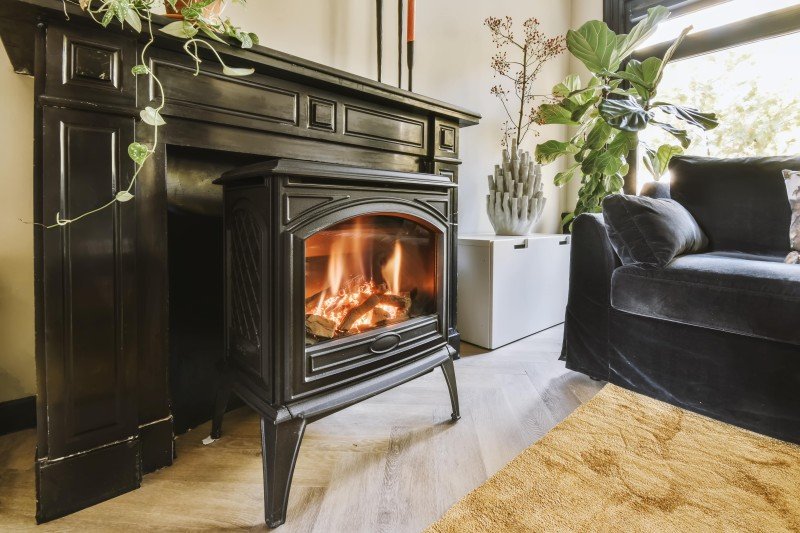
20 Fireplaces And Stoves Websites That Are Taking The Internet By Storm
The Comprehensive Guide to Fireplaces and Stoves
Fireplaces and stoves have been essential to human civilization for centuries, working as a source of warmth, light, and comfort. Fireplace Deals USA come in various kinds and have actually progressed throughout the years, accommodating diverse preferences and technological developments. This post supplies a useful overview of fireplaces and stoves, highlighting their types, benefits, maintenance pointers, and installation considerations.
Kinds of Fireplaces
The world of fireplaces is rich and differed. Here are the most typical types:
Wood-Burning Fireplaces:
- Traditional and lovely.
- Requires experienced wood and regular maintenance.
- Produces an enjoyable aroma and crackling noise.
Gas Fireplaces:
- Offer benefit and ease of usage.
- Offered in vented and vent-free alternatives.
- More efficient and cleaner than wood-burning alternatives.
Electric Fireplaces:
- Provide ambiance without the requirement for a chimney.
- User-friendly with remote control options.
- Can be used as an extra heat source.
Pellet Stoves:
- Use compressed wood pellets as fuel.
- Extremely efficient and eco-friendly.
- Often geared up with thermostats for temperature control.
Ethanol Fireplaces:
- Utilize bioethanol fuel, making them portable.
- Do not need venting, which permits versatile placement.
- Produce a realistic flame with minimal smoke.
Outdoor Fireplaces:
- Designed for outdoor settings; can be wood or gas-burning.
- Great for entertaining and enhancing yard looks.
- Typically built from stone, brick, or metal.
Benefits of Fireplaces and Stoves
Including a fireplace or range into a home offers numerous benefits:
- Aesthetic Appeal: Fireplaces function as striking centerpieces in any space, adding heat and character to home decor.
- Increased Property Value: Homes with practical fireplaces tend to have greater resale values.
- Energy Efficiency: Modern fireplaces and stoves are created to be more energy-efficient, which can cause decreased heating expenses.
- Backup Heating Source: In case of power interruptions, wood-burning and gas fireplaces can work as essential heating sources.
- Versatile Heating Solutions: Different types of fireplaces accommodate various heating needs and way of lives, from relaxing atmosphere to efficient heating.
Type of Fireplace/Stove
Fuel Source
Efficiency Rating
Maintenance Level
Wood-Burning
Wood
Moderate
High
Gas
Natural gas/LP
High
Low
Electric
Electrical energy
High
Really Low
Pellet
Wood pellets
High
Moderate
Ethanol
Bioethanol
Moderate
Low
Outdoor
Wood or gas
Moderate
Differs
Upkeep Tips
Appropriate upkeep extends the life of fireplaces and stoves, ensuring security and efficiency. Here are some essential ideas:
Regular Cleaning:
- Wood-burning fireplaces must be cleaned after a complete season of use to remove soot and creosote.
- Gas fireplaces need routine inspection of the burner and vents.
Routine Inspections:
- Have chimney sweeps perform yearly examinations to determine clogs or structural damage.
- Examine the seals and gaskets on gas units to avoid leakages.
Fire Safety:
- Install smoke and carbon monoxide gas detectors in homes with fireplaces or stoves.
- Keep a fire extinguisher near the fireplace or range for emergencies.
Usage Quality Fuel:
- For wood-burning systems, always use experienced wood; avoid dealt with or painted wood.
- When using pellets, ensure they are kept effectively to prevent wetness absorption.
Handle Airflow:
- Keep vents and ducts clear to promote efficient ventilation and air flow.
- Consider utilizing glass doors or screens to decrease debris and ash in the home.
Installation Considerations
Installing a fireplace or stove needs cautious consideration of a number of aspects:
Location:
- Choose a place that permits proper clearance and ventilation.
- Consider the layout of your home and the convenience of natural heat circulation.
Building Codes and Permits:
- Check local policies concerning setups and essential authorizations.
- Engage an expert to make sure compliance with safety standards.
Fuel Type:
- Evaluate your fuel choices based upon availability, expense, and ecological impact.
- If selecting gas, guarantee existing gas lines can accommodate the brand-new appliance.
Ventilation:
- Proper venting is essential for security and efficiency, specifically for gas and wood-burning units.
- Consult a professional to identify the very best venting service.
Aesthetic Consideration:
- Select a style that matches your home's interior.
- Think about mantels, surround materials, and colors that match your design.
Frequently asked questions
What is the best type of fireplace for heating?
Gas fireplaces are usually more efficient for heating, while wood-burning fireplaces offer more ambient heat.
How typically should I clean my fireplace?
Wood-burning fireplaces ought to be cleaned at least once a year, while gas fireplaces require less frequent attention depending on use.
Can I install a fireplace myself?
While some house owners might attempt DIY setup, it is advised to work with a professional to guarantee safety and compliance with building codes.
Are electric fireplaces efficient?
Yes, electric fireplaces are really efficient and can act as effective extra heating sources, specifically in smaller areas.
What is the lifespan of a fireplace?
The life-span of a fireplace differs depending on the product, type, and maintenance; however, a well-kept wood-burning fireplace can last over 30 years.
Fireplaces and stoves remain timeless features in homes, providing heat and atmosphere. Comprehending the different types, benefits, and maintenance requirements can help house owners make notified decisions about setup and care. With cautious planning and routine upkeep, these devices can enhance both the convenience and value of a home for years to come.